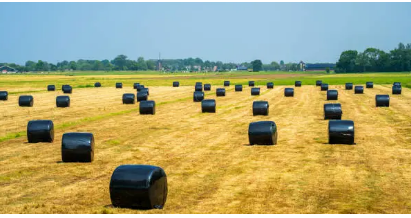
Efficient farm management requires not only effective production practices but also smart purchasing decisions. One key area where farmers can make a significant financial impact is in silage management. Proper storage of fodder is essential for maintaining feed quality, reducing waste, and supporting livestock health. Among the essential materials for silage production, bale wrap plays a critical role. Using discounted bale wrap in Australia provides farmers with a cost-effective solution that does not compromise the integrity of their feed.
Understanding the Role of Bale Wrap in Silage Management
Bale wrap, also known as silage wrap or plastic silage film, serves a critical function in protecting forage crops. Its primary purpose is to create an airtight seal around silage bales, which is essential for promoting anaerobic fermentation. This fermentation process preserves the nutritional value of the forage, prevents spoilage, and reduces the risk of mould growth. Without high-quality bale wrap, farmers may experience significant feed losses, which can directly impact operational costs.
Investing in discounted bale wrap provides an opportunity to maintain these benefits while reducing expenses. Many Australian suppliers offer surplus or off-season stock at lower prices, enabling farmers to access reliable materials at a fraction of the cost.
Benefits of Using Discounted Bale Wrap
Cost Savings
The most immediate advantage of using discounted bale wrap is financial. Agriculture operates on tight margins, and small savings can have a substantial impact over time. Purchasing discounted wrap in bulk or during promotional periods allows farmers to allocate resources to other areas such as machinery maintenance, seed procurement, or livestock health.
Sustainability Advantages
High-quality bale wrap plays a crucial role in sustainable farm management. By preserving feed for extended periods, farmers reduce the need to source additional fodder, which in turn lowers the farm’s overall carbon footprint. Even when opting for discounted options, modern bale wraps are engineered for durability, UV resistance, and puncture prevention, ensuring that sustainability goals are not compromised.
Reduced Feed Waste
Silage losses due to poor wrapping can account for up to 15-20% of total forage production. Discounted bale wrap, when chosen wisely, maintains the airtight seal required for effective fermentation. This results in reduced spoilage and a higher proportion of usable feed, ultimately leading to improved livestock nutrition and increased farm profitability.
Selecting the Right Discounted Bale Wrap
While cost savings are significant, selecting the correct type of bale wrap is crucial for optimal results. Several factors should be considered when purchasing discounted bale wrap in Australia:
Thickness and Durability: Bale wrap is typically available in varying thicknesses. Thicker films provide better protection against punctures and UV exposure, which is critical for long-term storage.
Compatibility with Equipment: Farmers should ensure the wrap works efficiently with their existing bale-wrapping machinery. Mismatched materials can lead to downtime and increased labour costs.
UV Resistance: Australian conditions often expose bales to intense sunlight. Wrap with UV protection prevents degradation and maintains seal integrity over extended storage periods.
Supplier Reliability: Opting for discounted materials from reputable suppliers ensures consistent quality and performance. Farmers should prioritise suppliers with proven track records and positive customer feedback.
Timing Your Purchase for Maximum Savings
One effective strategy for maximising savings is timing the purchase of discounted bale wrap. Many suppliers offer promotions after peak harvest periods or during off-season months. By planning, farmers can stock up at reduced prices and avoid the higher costs often associated with last-minute procurement. Additionally, bulk purchases often attract further discounts, providing another layer of financial benefit.
Storage and Handling of Discounted Bale Wrap
Even the best bale wrap loses effectiveness if not stored and handled correctly. Discounted bale wrap should be stored in a superb, dry location away from direct sunlight to prevent premature degradation. Proper handling, including avoiding dragging rolls on rough surfaces and ensuring machinery is clean and well-maintained, extends the life of the wrap and preserves its performance.
Conclusion:
In the dynamic landscape of Australian agriculture, farmers must strike a balance between cost, efficiency, and sustainability. Discounted bale wrap offers an ideal solution for managing silage effectively while optimising farm budgets. By understanding the benefits, selecting high-quality materials, making strategic purchases, and adhering to proper handling practices, farmers can reduce waste, enhance feed quality, and achieve long-term cost savings. Incorporating discounted bale wrap into farm operations is not merely a financial decision—it is a strategic step toward sustainable and profitable agriculture.